
Accordion Playing Tips
Accordion Playing Tips from Debra Peters. These comments here come from over 50 years of performing and teaching music. Whether you’re a beginner or an experienced player, mastering bellows control, bass patterns, and grooves will make your music come alive with feeling and confidence. Would you like to try personalized accordion lessons ?
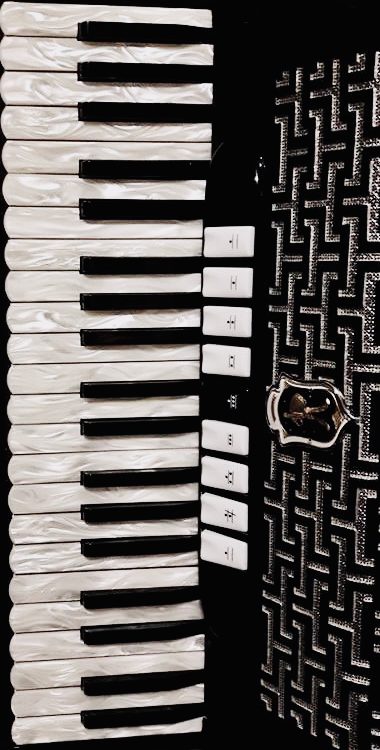
I hope these ideas help your accordion sing with more feeling, groove and joy.
1. Posture & Holding the Accordion
- Sit tall but relaxed — keep your shoulders down and loose.
- Rest the accordion on your right leg, slightly tilted forward so the bellows can move freely.
- Gently “hug” the instrument — never fight it.
- Keep both wrists relaxed. Tension is the enemy of good tone and speed.
2. Bellows Control – Your Most Important Skill
- The bellows are the “voice” of the accordion.
- Push = strong and confident | Pull = soft and expressive.
- Practice smooth direction changes without gasping for air.
- For Zydeco/Cajun: Use a gentle bellows shake on long notes.
- Never let the bellows go completely slack.
3. Left Hand – The Bass Side (The Heartbeat)
- Practice your bass patterns slowly and cleanly every day.
- Use your 4th finger on the root note and roll the chords for a full, rich sound.
- In blues and swing: Emphasize the off-beats for that swinging feel.
- Good bass work makes everything else sound better.
4. Right Hand – Melody & Expression
- Lift your fingers cleanly — don’t mash the keys.
- For blues: Push the bellows a little harder on the “blue notes” (especially the flat 3rd and 7th) for natural bends.
- In Tex-Mex and polka: Use short, crisp stabs for punch and energy.
- Always play with feeling — the notes should breathe.
5. Groove & Style Tips for Roots Music
- Zydeco/Cajun: Accent the push, add bellows shake.
- Blues: Play slightly behind the beat and let notes breathe.
- Texas Swing / Polka: Strong on 1 & 3, lighter on 2 & 4.
- Record yourself often — your ears will catch what your hands miss.
6. Daily Practice Suggestion (20–30 minutes)
- 5 min — Bellows warm-up (long tones + shakes)
- 10 min — Bass patterns and chords
- 10 min — One favorite song (focus on groove and expression)
- 5 min — Something new or challenging
Final Thought from Debra:
The accordion doesn’t ask to be perfect — it asks to be played with heart.
Keep practicing, keep smiling, and let the music flow through you.